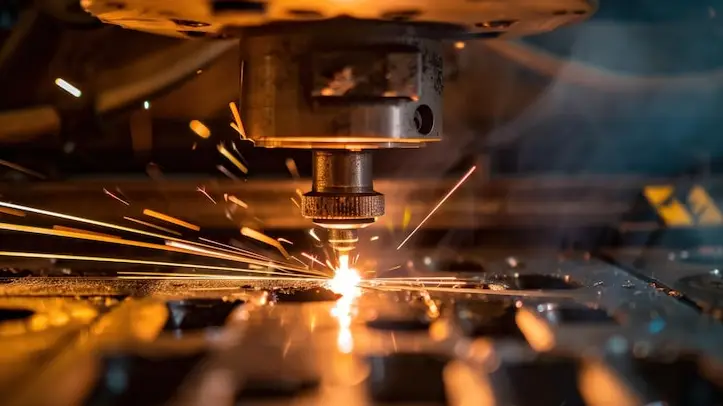
Aluminum is used to manufacture goods such as car parts, machine parts, and electronics. These goods require labeling, coding, and other forms of identification. Unfortunately, standard printing fades, and stickers can peel off during use, making it impossible to trace a product’s origin or its components.
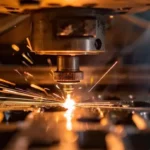
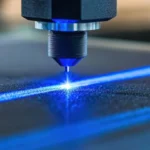
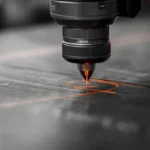
Aluminum laser etching is a simple solution because it uses a laser beam to cut a mark into the metal itself. Such marks cannot fade or peel off, and require no ink or other labels.
Why do regular marks wear off aluminum?
Aluminum is a durable, lightweight material. It is widely used due to its formability. But creating permanent markings on this material can be difficult.
The list of problems includes the following:
- Ink can fade: Markings printed on aluminum may disappear with cleaning and use.
- Labels can peel off: Stickers may become dirty and detach from the surface.
- Stamping can damage the item: Printing letters onto thin material may cause distortion.
- Chemical marking requires additional effort: More complex technology and procedures are required.
It may become difficult to identify the part by its number or label. It may also cause problems during verification.
What should you know about laser marking on plastic?
Plastic needs careful handling because it reacts to heat in different ways. Some types may melt, change color, or get damaged, while others can show clear marks. That is why choosing the right plastic laser marking process is important.
A few things to consider are:
- Plastic type: Different plastics react differently to a laser.
- Color: Some colors show marks better than others.
- Thickness: Thick and thin plastic may need different settings.
- Mark appearance: Some products need light marks, while others need dark ones.
Testing a small piece of plastic before starting the full job can help avoid mistakes and damage.
Aluminum vs plastic: Which material is easier to mark?
There is no specific answer, as the requirements for the two materials vary. Aluminum’s finish and coating can affect the result; they can create a durable surface for marking details. Many products are made from plastic, so temperature control is required.
The key factor is how the material reacts to the laser. Control is needed to prevent plastic from melting and changing color, while aluminum needs special techniques depending on its surface.
It would be wrong to assume the same technique applies to all products; businesses need to choose the right process for each product.
How can businesses get better results when marking plastic parts?
Plastic products are made in many shapes and sizes. Each type of plastic can react differently to a laser. Some may show clear marks, while others may melt or change color. Laser marking plastic parts needs the right settings to keep the material safe and get good results.
Before starting the work, businesses should check a few things:
- Choose a laser that works well with the plastic.
- Test a small piece before marking the full part.
- Check that the words or designs are easy to see.
- Avoid settings that can melt or damage the plastic.
These small steps can prevent mistakes and save materials. They also help businesses achieve clean, clear marks. Testing first makes the whole job easier and reduces the chances of damaged products.
Choosing the Right Marking Method
Aluminum and plastic need different marking methods because they react differently to lasers. The right method helps create clear marks without harming the product. It also saves time and reduces waste. Businesses should check the material first to find the best marking method.
Laser Marking Services Inc. helps businesses find marking solutions for different materials and products. Contact us today to find the suitable marking method for your products.